Household drain blockages are one of the most common plumbing problems faced by homeowners around the world. Whether it is a slow-draining sink, a clogged shower, or a completely blocked toilet, these issues can quickly disrupt daily routines and create unpleasant living conditions. Understanding why household drain blockages occur and how to deal with them effectively is essential for maintaining a clean, hygienic, and fully functional home plumbing system.
Most household drain blockages develop gradually over time. In kitchens, the main cause is usually the accumulation of grease, oil, and food particles that are washed down the sink 通渠報價. These substances may seem harmless at first, but they stick to the inner walls of pipes and slowly build up into thick layers. Eventually, this buildup restricts water flow and leads to complete blockages. In bathrooms, the most common causes include hair, soap residue, toothpaste, and small debris that enter the drainage system during daily use.
Another significant contributor to household drain blockages is the improper disposal of waste. Many people unknowingly flush items down toilets or sinks that are not meant to be disposed of in this way. Wet wipes, sanitary products, cotton buds, and paper towels can easily get stuck in pipes and create severe clogs. Over time, these materials combine with other debris, forming solid obstructions that are difficult to remove without professional help.
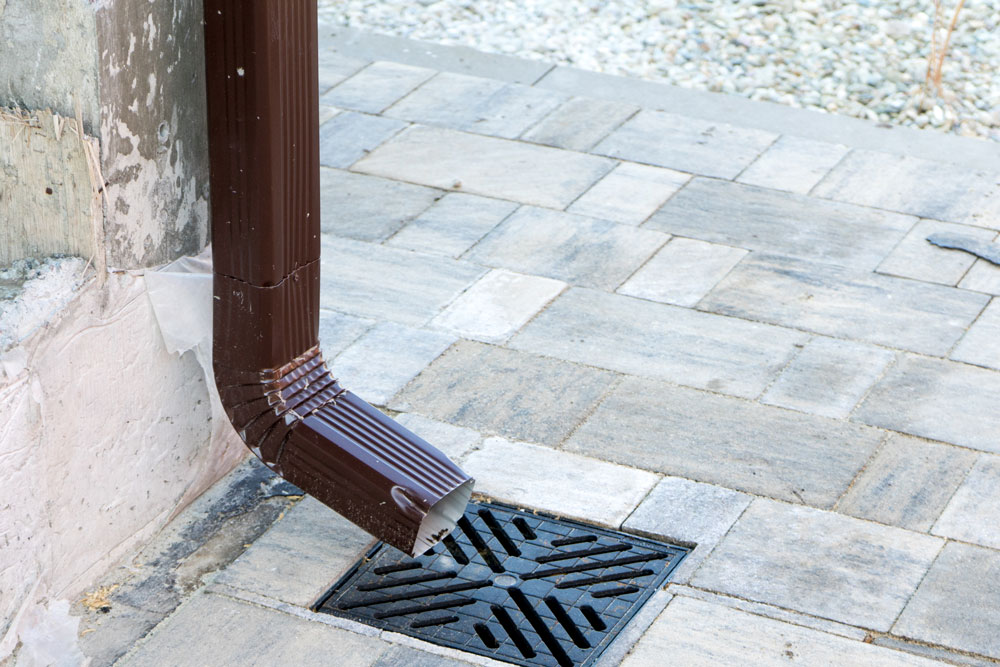
In outdoor areas, household drainage systems can also become blocked due to environmental factors. Leaves, dirt, mud, and small stones can enter drains, especially during heavy rainfall or windy conditions. When these materials accumulate, they prevent proper water flow and may even cause flooding around the property. Regular cleaning of outdoor drains is therefore essential to avoid such problems.
One of the earliest signs of household drain blockages is slow drainage. If water takes longer than usual to drain from sinks, bathtubs, or showers, it is often an indication that a blockage is forming. Gurgling sounds from pipes and unpleasant odors are also common warning signs. These symptoms should not be ignored, as they often indicate that the blockage is worsening and may soon cause a complete obstruction.
There are several simple methods that homeowners can use to address minor household drain blockages. One of the most common solutions is pouring hot water down the drain. This helps dissolve grease and loosen debris that may be stuck inside the pipes. While this method is not effective for severe blockages, it can be useful as a regular maintenance practice to prevent buildup.
Another popular home remedy is the use of baking soda and vinegar. When combined, these two ingredients create a chemical reaction that helps break down dirt and loosen small clogs. Pouring baking soda into the drain followed by vinegar and allowing it to sit for a while can help clear minor blockages. Flushing the drain with hot water afterward enhances the cleaning effect and removes loosened particles.
Plungers are also widely used for dealing with household drain blockages. They work by creating suction pressure that helps dislodge the obstruction. This method is particularly effective for sinks, toilets, and bathtubs where the blockage is not too deep in the plumbing system. Proper use of a plunger often restores normal water flow within minutes.
For more stubborn blockages, drain snakes or plumbing augers are highly effective tools. These flexible devices can reach deep into pipes and physically break apart or remove the obstruction. They are especially useful for removing hair clogs and solid debris that cannot be cleared using simple household methods. Many homeowners prefer using these tools before calling a professional plumber.
Chemical drain cleaners are another option, but they should be used with caution. These products contain strong chemicals that can dissolve blockages quickly, but they may also damage pipes if used too frequently. Additionally, they can pose health and environmental risks. For this reason, many experts recommend using natural or mechanical methods whenever possible.
Preventing household drain blockages is always better than dealing with them after they occur. Simple habits can make a big difference in maintaining a healthy drainage system. For example, installing drain covers in sinks and showers can help catch hair, food particles, and other debris before they enter the pipes. Regularly cleaning these covers ensures they remain effective.
In the kitchen, avoiding pouring grease or oil down the sink is one of the most important preventive measures. Instead, grease should be collected in a container and disposed of properly. Running hot water through the sink after washing dishes can also help reduce buildup inside the pipes.
In bathrooms, regular cleaning of drains helps prevent hair and soap scum from accumulating. Using mesh strainers in shower drains is another effective way to reduce blockages. These small preventive steps can significantly extend the life of a household plumbing system and reduce the need for costly repairs.
Outdoor maintenance is equally important. Clearing leaves and debris from external drains ensures that rainwater flows freely and does not accumulate around the property. During rainy seasons, regular inspection of outdoor drainage systems can help prevent flooding and water damage.
In some cases, household drain blockages may indicate more serious plumbing issues. Tree roots growing into underground pipes, damaged pipe sections, or structural misalignment can all lead to recurring blockages. When this happens, professional plumbing services are necessary to diagnose and fix the problem properly.
Modern technology has improved the way household drain blockages are handled. Professional plumbers often use high-pressure water jetting systems to clean pipes thoroughly. This method removes stubborn buildup and restores full water flow without damaging the plumbing system. It is one of the most effective solutions for severe or recurring blockages.
In conclusion, household drain blockages are a common but manageable issue that can affect any home. They are usually caused by the buildup of grease, hair, soap, and improperly disposed waste. While minor blockages can often be resolved using simple home remedies or basic tools, prevention remains the most effective strategy. By adopting good habits and maintaining regular cleaning routines, homeowners can keep their drainage systems running smoothly and avoid the inconvenience and expense of serious plumbing problems.
